Cultural Fusion Housing: Designing Spaces That Celebrate Diversity
Cultural fusion housing is a growing trend in urban and suburban areas. It is a type of housing that celebrates diversity and promotes social cohesion among different cultures. The idea behind cultural fusion housing is to create a community that embraces and respects the differences of its residents, while also promoting a sense of unity and togetherness. As the world becomes a more interconnected and diverse place, designing spaces that promote cultural fusion has become an essential aspect of urban planning and development.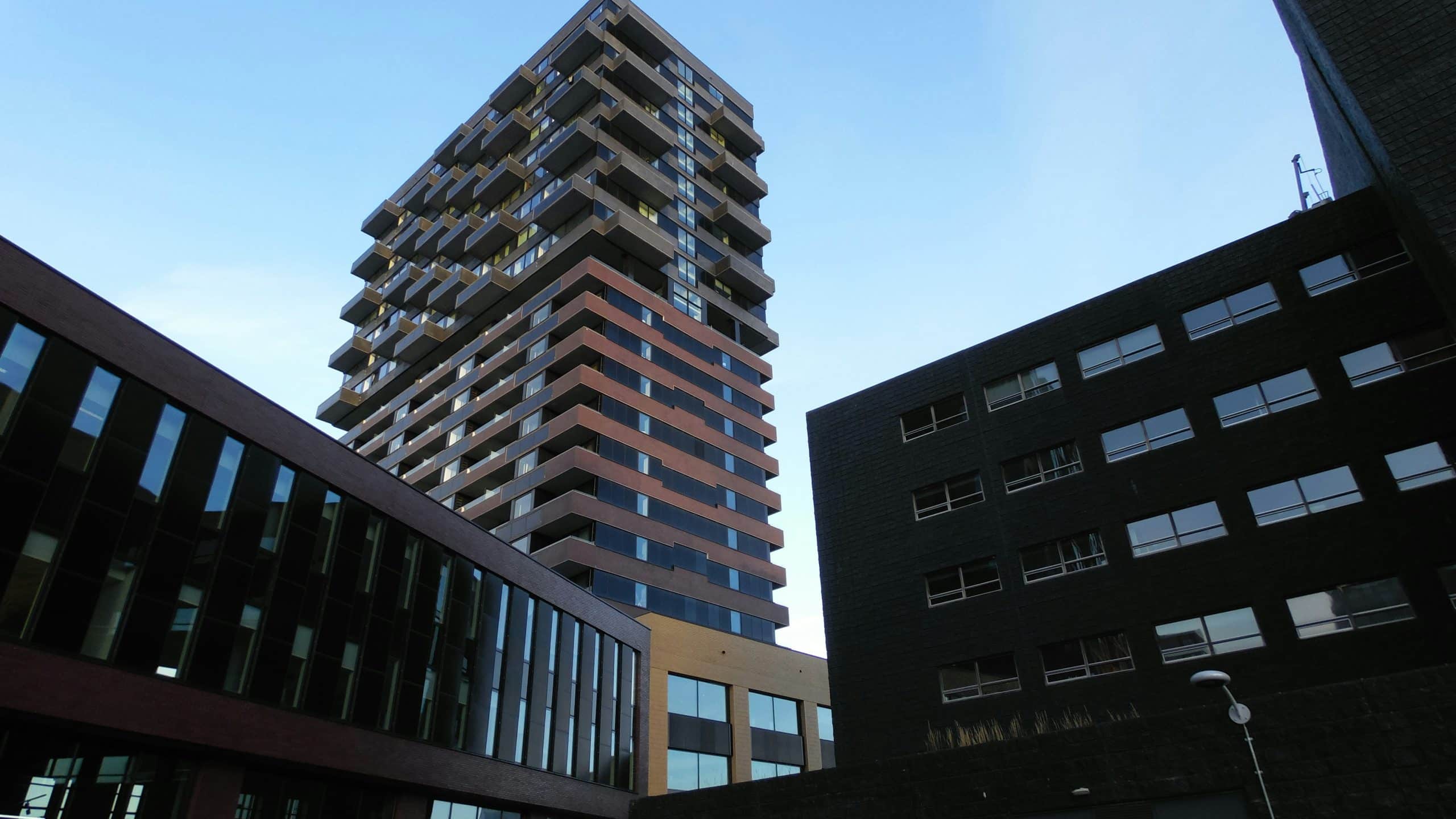
The Need for Cultural Fusion Housing
The need for cultural fusion housing has become increasingly apparent in recent years. With globalization and the rise of multicultural neighborhoods, the demand for inclusive and diverse communities has grown. Living in a community that promotes cultural exchange and celebrates diversity can lead to greater social cohesion, a sense of belonging, and a more meaningful life.
Moreover, studies have shown that cultural fusion housing can have a positive impact on physical and mental health. Living in an environment that embraces diversity can reduce the feeling of isolation and loneliness that is often experienced by individuals who feel disconnected from their community.
The Challenges of Designing Cultural Fusion Housing
Designing cultural fusion housing comes with its challenges. One of the main obstacles is creating a space that is inclusive and welcoming to people from diverse backgrounds. The design must consider the cultural norms, traditions, and preferences of its residents to ensure that everyone feels comfortable and at home.
Another challenge is financing. Developing cultural fusion housing may require a more significant investment as it often involves building or renovating infrastructure that reflects different cultural aesthetics and styles.
The Role of Design in Promoting Cultural Fusion
The key to designing successful cultural fusion housing lies in creating spaces that promote interaction and cultural exchange. At the core of this design is the concept of shared spaces. These spaces can include communal gardens, parks, playgrounds, and social areas where people can gather and engage in activities together.
In addition, architectural elements such as cultural artwork, murals, and sculptures can be incorporated into the design to showcase the diversity of the community. Moreover, incorporating cultural elements into the design can create a sense of familiarity and belonging for residents who may have migrated from different countries.
Examples of Successful Cultural Fusion Housing
One great example of successful cultural fusion housing is the ‘Golden Lane Estate’ in London. The estate was designed by architects Fry, Drew, and Partners in the 1950s. It incorporated elements of modernist architecture while also embracing traditional British, Scandinavian, and European styles. This fusion of different styles has created a visually stunning and diverse community that has become a desirable place to live for people from different backgrounds.
Another example is the ‘Superkilen’ in Copenhagen. This urban park was designed to reflect the cultural diversity of the neighborhood and was built with input from local residents. It features a variety of elements from different cultures, including a Chinese fountain, a Moroccan fountain, and a Moroccan tiled bench. The park has become a popular gathering place for people of all ages and backgrounds.
In Conclusion
Cultural fusion housing is an essential aspect of creating inclusive and diverse communities. It promotes social cohesion, improves physical and mental health, and creates a sense of belonging for its residents. Designing spaces that celebrate diversity and incorporate elements from different cultures can have a positive impact on the lives of individuals and the community as a whole. With proper planning and consideration, cultural fusion housing can be a powerful tool for promoting unity and acceptance in our increasingly diverse world.