Designing Educational Experiences for the Next Generation
As the world continues to evolve in the digital age, the way we learn has also undergone a transformation. Traditional methods of education are being reevaluated and new approaches are being explored to cater to the next generation. With technology and innovation at the forefront, the role of educators and designers has become even more crucial in shaping the learning experiences of the future. In this article, we will delve into the concept of designing educational experiences for the next generation and how it can benefit both students and educators.
The Changing Landscape of Education
The current education system, which is predominantly based on classroom learning and standardized testing, is no longer sufficient in preparing students for the complex and ever-changing world. The rapid advancement of technology and the rise of the gig economy have led to a shift in the job market, requiring a different set of skills and competencies. As a result, the traditional one-size-fits-all approach to education is no longer relevant.
The next generation’s learning needs are vastly different from previous generations. They have grown up in a technology-driven world, with access to endless information at their fingertips. Thus, they expect a more interactive and personalized learning experience. This is where the role of educational experience designers becomes crucial.
Understanding Educational Experience Design
Educational experience design is the process of creating meaningful and engaging learning experiences that go beyond just imparting knowledge. It involves understanding the learners’ needs, their environment, and designing solutions that cater to their unique requirements. In simpler terms, it is about tailoring the learning experience to fit the learner, rather than fitting the learner into a specific method of teaching.
The goal of educational experience design is not only to educate but also to inspire and equip learners with the necessary skills and knowledge for the future. It is about creating an environment that fosters critical thinking, creativity, and collaboration – skills that are essential in the digital age.
Components of Educational Experience Design
1. Personalization
Personalization is at the core of educational experience design. It involves understanding the individual needs and learning styles of students and developing learning activities that cater to their specific requirements. This can include using technology to create personalized learning paths, providing individualized feedback, and incorporating activities that align with the students’ interests and goals.
2. Interactivity
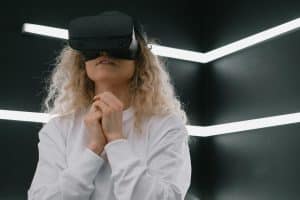
In today’s digital world, students are accustomed to interactive and immersive experiences. Educational experience design leverages this by incorporating interactive elements such as games, simulations, virtual reality, and augmented reality. These not only make the learning process more engaging but also help students retain information better.
3. Collaboration
Collaboration is an essential skill in the 21st century, and educational experience design encourages it through group projects, discussions, and activities. By working together, students learn from each other and develop important skills such as communication, teamwork, and problem-solving.
4. Flexibility
Flexibility is a key aspect of designing educational experiences for the next generation. With technology, learning is no longer confined to a physical classroom. Educational experience design allows for flexible learning options, such as online courses, blended learning, and self-paced learning, which cater to the diverse needs of students.
Benefits of Designing Educational Experiences for the Next Generation
There are numerous benefits to adopting an educational experience design approach in the learning process. Some of the key advantages include:
1. Increased Engagement
A well-designed learning experience that caters to the needs and interests of students leads to higher engagement and motivation. This results in better learning outcomes and a more positive attitude towards education.
2. Improved Learning Retention
By incorporating interactive and personalized learning activities, students are more likely to retain information and apply it in real-world situations. Educational experience design promotes experiential learning, making the learning process more effective.
3. Development of Critical Skills
Educational experience design focuses on developing skills that are crucial in the 21st century, such as critical thinking, creativity, collaboration, and adaptability. These skills are essential for future success in both personal and professional contexts.
4. Better Preparedness for the Future
Designing educational experiences for the next generation prepares students for the future job market, which is continuously evolving. By equipping them with relevant skills and knowledge, they are better prepared to face the challenges of the future.
The Future of Education is Here
In conclusion, the next generation requires a learning experience that goes beyond traditional methods. By adopting educational experience design, we are not only providing students with a more engaging and effective learning process but also preparing them for the future. As educators and designers, it is our responsibility to embrace this shift and shape the education system to meet the needs of the next generation.